Under Trump, the rhetorical strategy of the Republican party leadership has been largely reduced to juvenile insults and name-calling. Can the Harris campaign overcome this?
After coming under pressure to use her platform to say something more meaningful about the upcoming US election than simply urging her fans to “vote”, megastar Taylor Swift published a statement on Instagram endorsing Democrat nominee Kamala Harris. Swift signed off using the moniker “Childless Cat Lady”. In doing so, she brought her Midas touch to a term that threatened to become a discursive liability for the Democrat camp – the way “Crooked Hillary” and “Sleepy Joe” dogged Clinton and Biden.
The Trumpian tactic of name-calling has exasperated progressives as it is of course a textbook example of playground bullying – but most of all because it seems to work. Michelle Obama’s pledge to “go high” when the other side goes low may have played well with her audiences yet – laudable as it is – such a strategy seems ineffective against adversaries like Trump who appear impervious to the usual constraints of shame and decency. More significantly, perhaps, Trump’s supporters also seem unmoved by the puerile nature of such rhetorical jibes that seek to mock and outrage. As a result – simply denouncing such statements as “offensive” seems only to boost those making them and reinforce their power as a means to discredit, silence, and humiliate their targets.
As soon as Harris was announced as the Democrats’ nominee, female commentators braced themselves for a torrential backlash of racism and misogyny. Investigative journalist Carole Cadwalladr was also the object of a concerted campaign to discredit her by branding her a “mad cat lady”, led by millionaire Brexiteer Arron Banks and his supporters. Commenting for the Guardian, Cadwalladr points out that the “Crooked Hillary” campaign is now known to have been boosted by Russian actors online, in an act of electoral interference. She warns: “The same zombie narratives have risen again for Kamala and are already being stoked not just by YouTube edgelords and JD Vance fanboys but Russia and China too.”
The “childless cat lady” label came to prominence once again after it was deployed by Trump’s running mate, JD Vance. But it is a trope with a long history, that can be traced back through the Victorian period to the middle ages, and a time when childless unmarried women were feared and denounced as witches, and that has continued to be perpetuated in mainstream culture.
In his efforts to stigmatise childless women, Vance finds himself in awkward company – Putin’s government is currently looking at ways to crack down on “childfree ideology” – otherwise known as choice. And this narrative is propagated by many of Europe’s right-wing governments, among them those of Georgia Meloni and Viktor Orbán, who use it to underpin policies that penalise individuals and families that fall outside the traditional nuclear model.
JD Vance subsequently walked back on his remarks to some extent, suggesting a somewhat greater awareness of the limits of civil discourse than Trump, though exactly what triggered this remorse is unclear. Since Taylor Swift’s intervention, which served to amplify the voices of other women who were just as happy to fall into the category, the label seems to have lost much of its rhetorical force and bite. The lesson then seems to be that high-road denunciations and appeals to decency may, against some political adversaries, be ultimately far less effective than an approach of self-deprecating humour and knowing subversion of the trope.
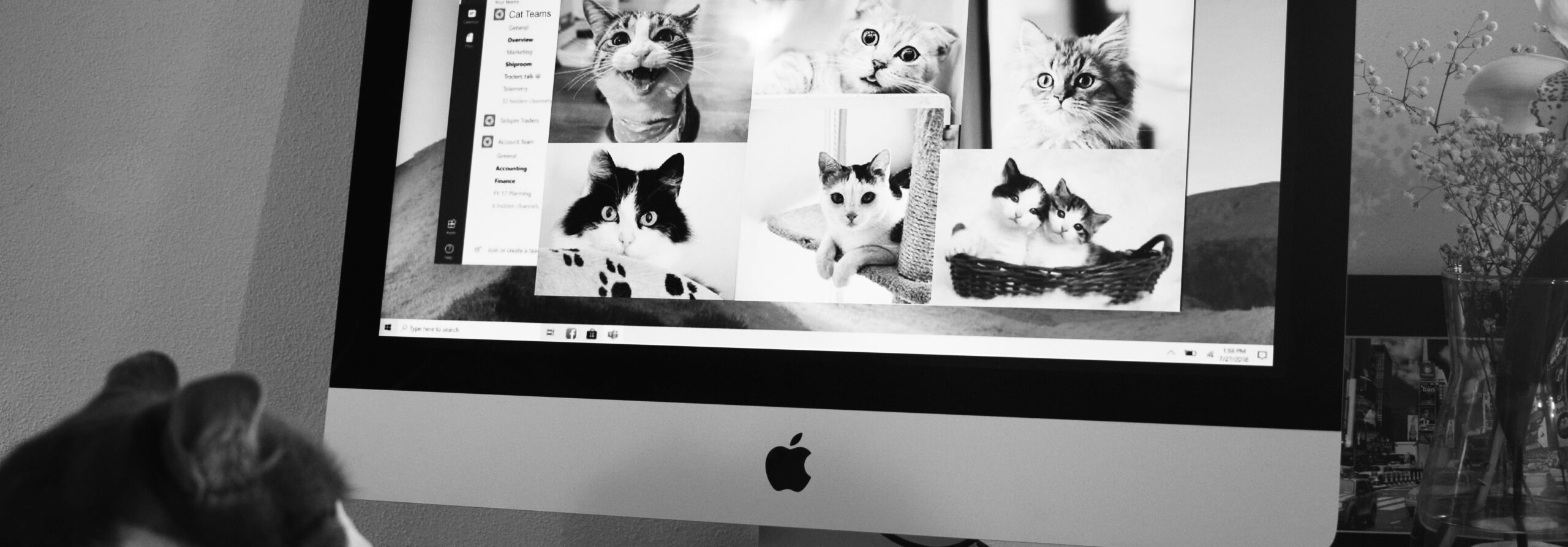
Image by Chris Barbalis via Unsplash.com
Leave a Reply